Amid an increasingly urgent global climate crisis, the green energy transition is touted as the savior of the planet's future. The world is racing to leave fossil fuels behind in favor of renewable energy, underpinned by the downstreaming of nickel, cobalt, and other critical minerals. This grand narrative is backed by appealing promises of sustainable development, cleaner skies, and a more environmentally friendly future for humanity.
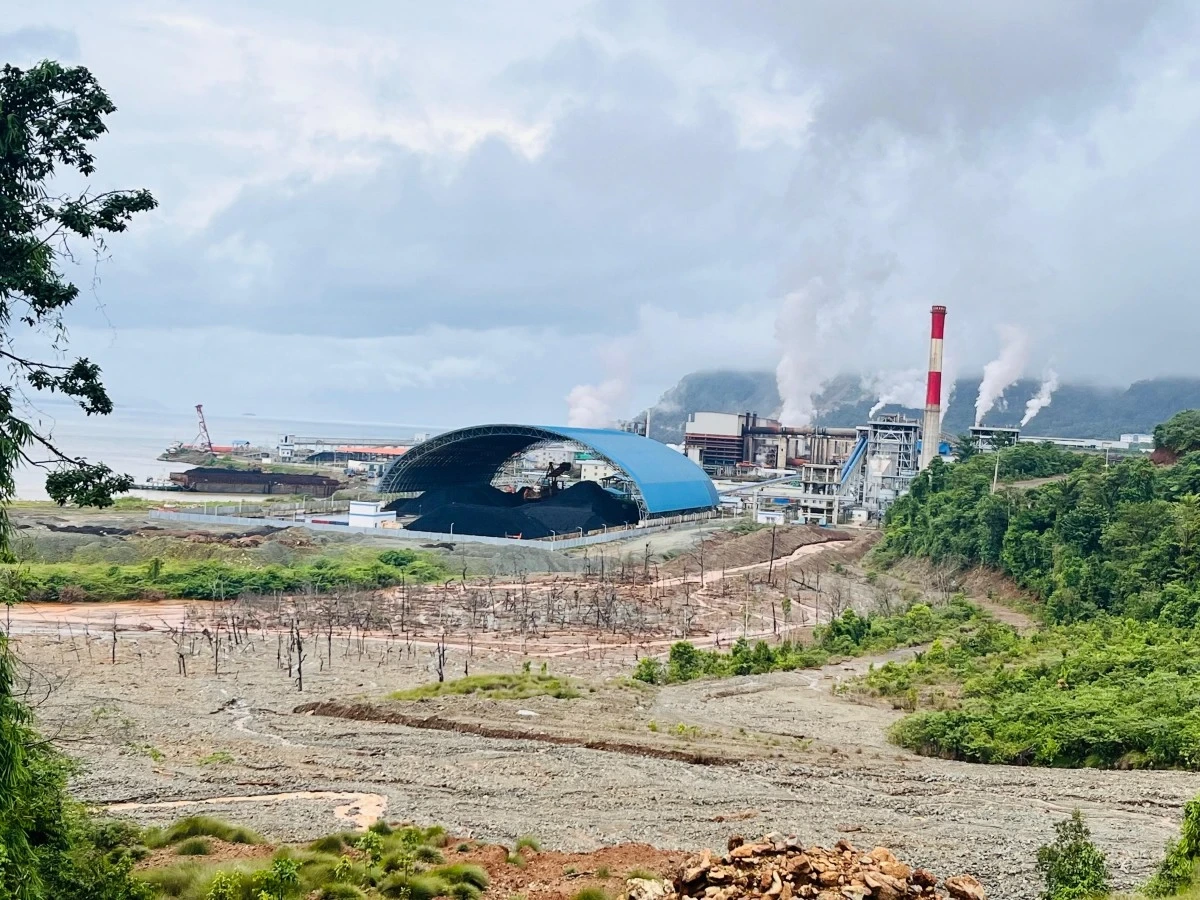
Behind the glitter of this promise of a just transition, however, lies another story that is anything but green. At mining sites from Halmahera and Sulawesi to the other spice islands, the lands of Indigenous communities are seized without dignity, fishers' living spaces are polluted by mineral production waste and by barge traffic, and forests are cleared without meaningful consent. The global energy transition, it turns out, demands a steep price, paid directly out of the safety and sovereignty of local communities, creating an irony in which a climate solution becomes a new source of ecological disaster.
More worrying still, residents' efforts to defend their ancestral lands and living environments are often silenced through repression and criminalization. A transition that should uphold human rights has instead shifted into a new form of green colonialism, in which the security of a handful of industries is bought at the expense of the people's suffering. Re-examining the promise of a just mineral transition is no longer an option but a moral imperative, so that the energy transition is not built on a foundation of tears and systematic human rights violations.
The energy transition carries the promise of a better future, in the sense of shifting human civilization toward greater sustainability than at any point in the last century: lower emissions, a protected environment, and rising well-being. But that promise must be tested from the moment minerals are taken out of the ground. Minerals such as nickel, cobalt, lithium, and copper play a role in a range of energy transition technologies, yet they also serve other industries. Nickel, for example, is used in stainless steel as well as in some types of electric vehicle batteries. It is therefore inaccurate to describe all nickel mining as an activity serving electric vehicles and, by extension, the strategic steps of the energy transition. What needs to be tested is how the expansion of the mineral industry, which has been propelled by the energy transition agenda, is carried out and held accountable in pursuit of the ideal of "justice."
The U.S. Geological Survey's Mineral Commodity Summaries 2026 estimates Indonesia's nickel mine production in 2025 at 2.6 million tons of nickel content, out of roughly 3.9 million tons worldwide. Based on these rounded figures, Indonesia accounts for about two-thirds of global production. A position of this magnitude should come with the capacity to set strong standards for protecting people and the environment.
Human rights problems in the mineral industry also have a global dimension. The Transition Minerals Tracker 2026 recorded 1,226 allegations of abuse between 2010 and 2025, including 329 reports in 2025. In the same year, 42 attacks on human rights defenders were recorded. The monitoring covers nine mineral groups, including nickel, cobalt, copper, lithium, and rare earth elements. These figures are allegations compiled from public sources, not the number of court rulings or of all victims. Their coverage is also limited to the mines being monitored, so they cannot be treated as a census of the entire industry.
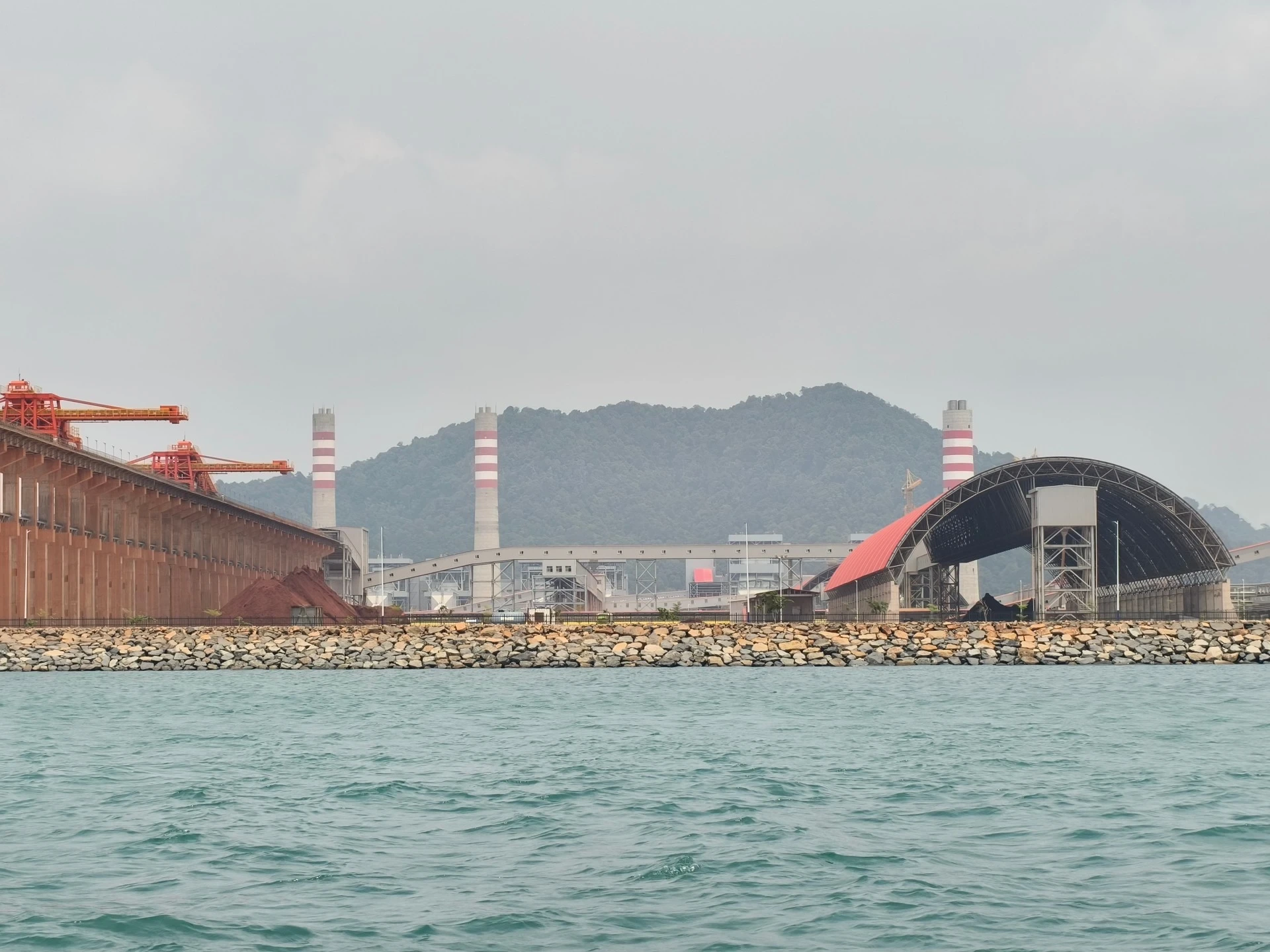
In Indonesia, environmental problems in the nickel industry have become official government findings. On 17 June 2025, the Ministry of Environment/Environmental Control Agency announced a series of violations in the Indonesia Morowali Industrial Park (IMIP) area. The findings included the construction of factories and other activities on more than 1,800 hectares outside the scope of the environmental impact assessment (AMDAL) documents, as well as unpermitted piles of nickel slag and tailings with an alleged volume of more than 12 million tons. The government also reported that total dust and PM10 parameters exceeded quality standards, that there was no communal wastewater treatment plant, and that wastewater management was polluting the environment.
In response to these findings, IMIP stated that it had submitted and was completing the requirements for developing an AMDAL for the 1,800-hectare expansion. In January 2026, the Central Sulawesi Provincial Government held a meeting with 21 companies in the IMIP area, which among other things discussed environmental fine obligations, compliance with environmental approvals, and the refinement of AMDAL documents. On the surface, both pieces of information project a response and follow-up, but they do not in themselves prove that all the pollution and its impacts have been remedied.
These environmental findings have a human rights dimension. Polluted air and water sources that are no longer fit for use affect residents' ability to live their daily lives. Article 28H paragraph (1) of the 1945 Constitution guarantees the right to a good and healthy environment and to health services. Environmental oversight is therefore part of the obligation to protect citizens' rights, and its success must be measured by the conditions communities experience after enforcement action is taken.
Another dimension appears in land tenure and the loss of livelihoods. In Nickel Unearthed, published in January 2024, Climate Rights International (CRI) based its research on interviews with 45 residents living near nickel mining and processing operations in Halmahera. The report contains the testimony of an Indigenous Sawai resident in Gemaf who said he held a land certificate for 38 hectares but received a payment agreement for only 8 hectares. He also described being blocked from accessing his land, having his crops cut down without his consent, and facing pressure through police visits. This testimony is an investigative finding that warrants follow-up, not a court ruling on the dispute.
CRI's subsequent report, Does Anyone Care?, published in October 2025, extended the research to Southeast Sulawesi, Central Sulawesi, and North Maluku. It involved 93 people: 75 interviewees and 18 focus group participants. Residents described experiences of land loss, deteriorating water sources, disruption to the livelihoods of fishers and farmers, and fear of voicing objections. In Kawasi, on Obi Island, several residents said that relocation took place without adequate consultation and moved them away from their sources of livelihood.
Harita Nickel gave a different account of Kawasi. In a response received by CRI in March 2026, the company stated that the relocation was government-led and voluntary. Harita also stated that it had provided infrastructure, conducted community engagement based on the principle of free, prior, and informed consent (FPIC), and improved its implementation based on audit recommendations. The gap between residents' testimony and the company's account calls for an independent examination that gives residents room to present evidence without pressure.
Relocation must be assessed beyond the number of replacement houses. A home is connected to work, gardens, the sea, social networks, and cultural life. Together, this integration forms a living social system within the community, especially for Indigenous peoples. A new house does not automatically restore a family's ability to obtain food or income. Recovery should therefore be judged by the sustainability of community life after the move, including the security of rights to housing and access to sources of livelihood.
An even higher price is at stake inside the nickel industry's factories, as shown by the tragedy at PT Indonesia Tsingshan Stainless Steel (ITSS) in the IMIP area. A furnace explosion on 24 December 2023 killed 21 workers, 13 Indonesian and eight Chinese, according to an Associated Press report in February 2024. The death toll rose after several workers died while receiving treatment, which explains why early reports gave a lower number of victims.
Reuters had earlier reported statements by the Minister of Manpower about strong indications of procedural violations and negligence in applying safety requirements in the incident. In the same report, an IMIP representative stated that the companies in the area comply with government regulations. A statement about indications of negligence must be distinguished from a ruling on criminal liability. Nevertheless, the workers' deaths still demand a thorough examination of oversight, equipment maintenance, work procedures, and worker protection.
ITSS is part of the stainless steel industry within a nickel processing area. Its case cannot simply be described as an electric vehicle battery production accident. Its relevance lies in the safety standards of the mineral industrial ecosystem that continues to be developed: every worker is entitled to protection, regardless of the final purpose of the minerals they process. The promise of job creation must be assessed together with the quality and safety of those jobs.
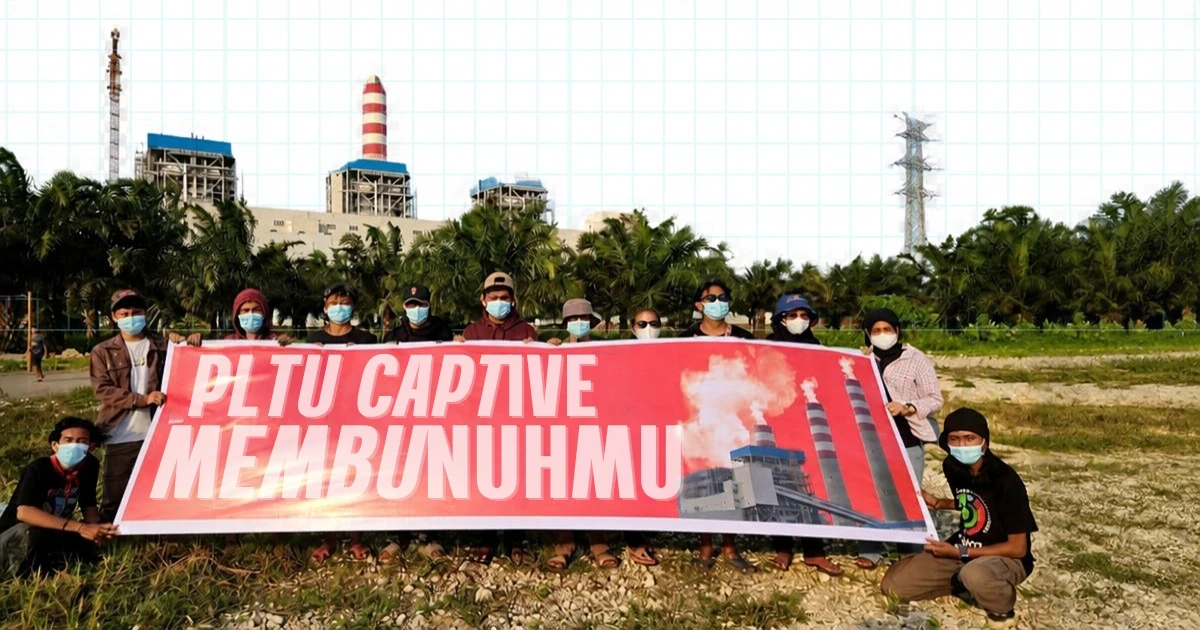
The right to voice objections also faces serious problems. In Maba Sangaji, East Halmahera, 11 Indigenous residents were sentenced in October 2025 in a case of obstructing mining activities. A coalition of civil society groups, whose statement was published by Amnesty International Indonesia, regarded the case as the criminalization of residents who were defending their land and protesting the nickel mining of PT Position. Meanwhile, Mongabay's coverage noted that police had earlier brought charges related to obstructing mining activities, possession of sharp weapons, and extortion and threats; the residents and their advocates denied these allegations.
Amnesty's 2025 annual report on Indonesia states that all of the detained residents had been released by the end of the year. This release needs to be recorded so that the case is not portrayed as though the detention were still ongoing. Even so, the case continues to raise questions about the protection of public participation: how can residents express opposition or defend their rights without facing retaliation?
The Constitutional Court has clarified the legal protection. In Decision No. 119/PUU-XXIII/2025, the Court broadened the interpretation of the elucidation of Article 66 of the Law on Environmental Protection and Management to cover every person, including victims, whistleblowers, witnesses, experts, and environmental activists. This protection is intended to prevent retaliation through criminal prosecution, civil lawsuits, or other legal action, while still respecting judicial independence. Its implementation will be an important test when mining conflicts involve residents fighting for the environment.
These cases carry different evidentiary statuses: government oversight findings, testimony gathered in investigations, news reports on accidents, and criminal verdicts criticized by human rights organizations. These differences must be maintained so that criticism does not lose its precision. Taken together, however, the cases point to areas that need real protection: health, the environment, land, livelihoods, occupational safety, and the freedom to participate.
The framework of responsibility is also already available. The UN Guiding Principles on Business and Human Rights affirm the state's duty to protect, the corporate responsibility to respect human rights, and victims' access to remedy. In 2024, the UN Secretary-General's Panel on Critical Energy Transition Minerals again placed human rights as the foundation of the entire mineral value chain. This means protection must extend from extraction through to the business relationships that deliver minerals to their end users.
For these principles to work, the government needs to open up the results of environmental and labor inspections, clarify the follow-up to each violation, and ensure that communities can monitor the progress of remediation. Water and air quality data must be available in an understandable form. Public health surveillance also needs to be designed independently so that the link between industrial exposure and disease can be assessed with adequate methods.
Companies need to conduct human rights due diligence before expanding their operations and throughout their activities. This process must involve workers, women, Indigenous peoples, and other groups who bear different impacts. Consultation must provide understandable information, time to consider options, and the freedom to voice objections. For Indigenous peoples, respect for free, prior, and informed consent must be a substantive measure of how a project is carried out.
Mineral buyers and financiers must also ensure supply traceability and follow up on findings of violations. Audits must allow workers and residents to speak without supervision by the parties they are complaining about. When harm has occurred, remedy must include health services, environmental and livelihood restoration, fair compensation, and guarantees that similar events will not recur.
The success of the mineral transition must ultimately be felt by those who live closest to mines and industrial areas: residents can protect their water and land, workers can return home safely, Indigenous peoples can determine the future of their territories, and objections can be voiced without threats. Until these rights are protected, the promise of a just mineral transition still demands proof.
References
Amnesty International. (2026). Indonesia 2025. In The State of the World's Human Rights: April 2026. https://www.amnesty.org/en/location/asia-and-the-pacific/south-east-asia-and-the-pacific/indonesia/report-indonesia/
Business and Human Rights Centre. (2026, June 24). Transition Minerals Tracker: 2026 global analysis. https://www.business-humanrights.org/en/from-us/briefings/transition-minerals-tracker-2026/
Business and Human Rights Centre. (n.d.). Transition Minerals Tracker methodology. Accessed October 7, 2026, from https://www.business-humanrights.org/en/from-us/transition-minerals-tracker/methodology/
Climate Rights International. (2024, January). Nickel unearthed: The human and climate costs of Indonesia's nickel industry. https://cri.org/reports/nickel-unearthed/
Climate Rights International. (2025, October). "Does anyone care?": The human, environmental, and climate toll of Indonesia's nickel industry. https://cri.org/reports/does-anyone-care/
Harita Nickel. (n.d.). [Response letter to Climate Rights International; received March 2026]. https://cri.org/wp-content/uploads/2026/03/Letter-by-Harita-Nickel_March-2026.pdf
Ministry of Environment/Environmental Control Agency. (2025, June 17). KLH/BPLH temukan pelanggaran lingkungan serius di kawasan industri PT IMIP [Press release]. https://kemenlh.go.id/news/detail/klhbplh-temukan-pelanggaran-lingkungan-serius-di-kawasan-industri-pt-imip
Civil Society Coalition Against the Criminalization of the Maba Sangaji Indigenous Community. (2025, October 16). Bebaskan sebelas warga Maba Sangaji dari hukuman penjara [Press release]. Amnesty International Indonesia. https://www.amnesty.id/kabar-terbaru/siaran-pers/bebaskan-sebelas-warga-maba-sangaji-dari-hukuman-penjara/10/2025/
Constitutional Court of the Republic of Indonesia. (2025, August 28). Decision No. 119/PUU-XXIII/2025 on the judicial review of the Law on Environmental Protection and Management. https://www.mkri.id/perkara/persidangan/putusan?search=119
Office of the United Nations High Commissioner for Human Rights. (n.d.). Business and human rights. Accessed October 7, 2026, from https://europe.ohchr.org/areas-of-work/business-and-human-rights
Prihatini, Z. (2025, June 19). PT IMIP respons KLH terkait dugaan pelanggaran lingkungan. Kompas.com. https://lestari.kompas.com/read/2025/06/19/094625086/pt-imip-respons-klh-terkait-dugaan-pelanggaran-lingkungan?page=all
Republic of Indonesia. (1945). Undang-Undang Dasar Negara Republik Indonesia Tahun 1945 beserta perubahannya [1945 Constitution of the Republic of Indonesia and its amendments]. Legal Documentation and Information Network, Secretariat General of the DPR RI. https://jdih.dpr.go.id/index/uu1945
Reuters. (2024, January 16). Indonesia says 'strong indication' of safety procedure violation in nickel fire. ThePrint. https://theprint.in/world/indonesia-says-strong-indication-of-safety-procedure-violation-in-nickel-fire/1926122/
Rifai, W. I. M. (2026, January 20). Pemprov Sulteng gelar rapat koordinasi bersama PT IMIP. Central Sulawesi Provincial Environmental Agency. https://www.dlh.sultengprov.go.id/detail/pemprov-sulteng-gelar-rapat-koordinasi-bersama-pt-imip
Sawal, R. (2025, June 19). Menyoal jerat hukum dan label preman pada penolak tambang nikel di Halmahera Timur. Mongabay Indonesia. https://mongabay.co.id/2025/06/19/menyoal-jerat-hukum-dan-label-preman-pada-penolak-tambang-nikel-di-halmahera-timur/
Taufan, M. (2024, February 12). Indonesia police to charge 2 Chinese nationals in furnace explosion at Chinese-owned nickel plant. Associated Press. https://apnews.com/article/indonesia-nickel-smelter-explosion-suspects-b6147e0dfdfc8c8b89cc0402f5469ba4
United Nations Secretary-General's Panel on Critical Energy Transition Minerals. (2024, September 11). Resourcing the energy transition: Principles to guide critical energy transition minerals towards equity and justice. United Nations. https://www.unep.org/resources/report/resourcing-energy-transition
U.S. Geological Survey. (2026). Mineral commodity summaries 2026. U.S. Geological Survey. https://doi.org/10.3133/mcs2026